


Mintalah tiga pemasok untuk mengutip gelas plastik bening khusus berukuran 12 ons, 16 ons, dan 24 ons dengan logo dua warna, dan Anda akan sering mendapatkan tawaran yang berbeda sebesar 30–40 persen untuk produk yang terlihat identik di foto. Penyebarannya bukanlah sebuah keberuntungan. Hal ini bergantung pada pilihan resin, ketebalan dinding, spesifikasi tutup, dan metode pencetakan — keputusan ditetapkan jauh sebelum cangkir mencapai garis pengisian. Pembeli yang mengendalikan keempat variabel tersebut mengendalikan kualitas dan biaya.
Versi singkatnya: gunakan PET untuk minuman es dan hal untuk minuman panas; kunci diameter pelek dan jenis tutup Anda sebelum mendesain karya seni; memverifikasi sertifikasi kontak makanan secara tertulis; dan memperkirakan harga unit akan turun karena biaya pengaturan tersebar dalam jangka waktu yang lebih besar. Bagian selanjutnya dari panduan ini menjelaskan setiap keputusan sesuai urutan yang akan ditanyakan oleh pabrik cangkir.
Mulai Dengan Resin: PET vs PP untuk Clear Cups
Kesimpulan pertama: PET adalah bahan yang tepat jika kejernihan rak menjual minuman, dan PP adalah bahan yang tepat jika melibatkan panas. Memilih yang salah adalah kesalahan yang paling mahal dalam kategori ini, karena biasanya kesalahan tersebut muncul setelah pengiriman, bukan pada tahap pengambilan sampel.
PET — polietilen tereftalat — adalah bahan kaca bening dan mengilap yang kebanyakan orang bayangkan saat membayangkan cangkir bening dingin. Cocok untuk es kopi, minuman dingin, smoothie, jus segar, dan teh buah, dan versi PET yang tahan suhu rendah memperluas kinerjanya hingga ke wilayah minuman beku, termasuk distribusi berpendingin. Langit-langitnya panas: cangkir dingin PET standar ditujukan untuk servis pada suhu sekitar antara 0°C dan 40°C, dan cairan panas akan merusak dinding dengan cepat.
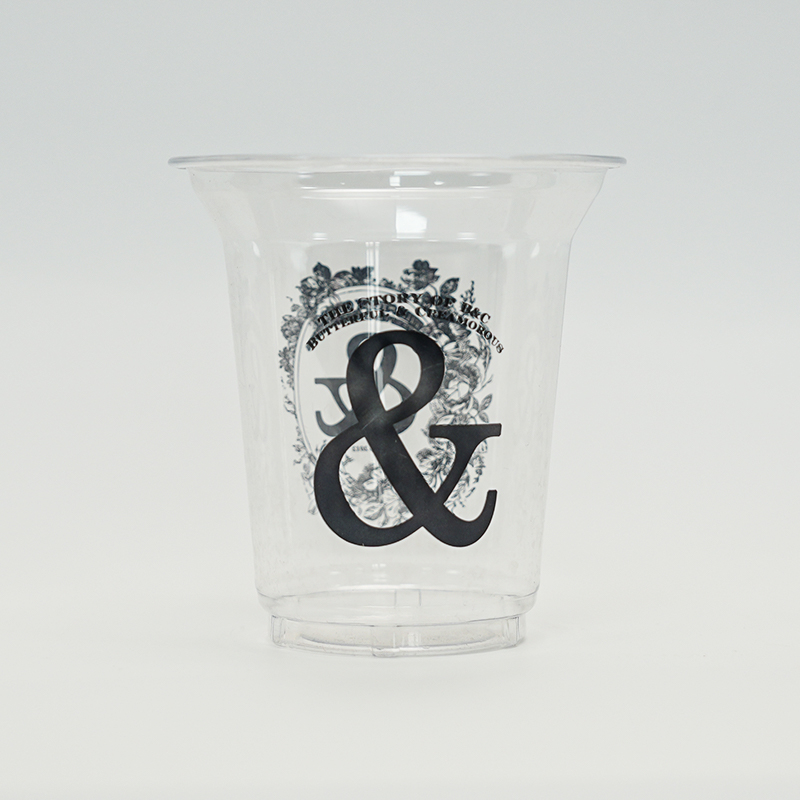 Gelas Plastik PET Tahan Suhu Rendah Cangkir PET ini tetap kuat dan stabil dari -20°C hingga 55°C, menjadikannya pilihan tepat untuk es kopi, smoothie, dan minuman beku yang tidak dapat ditangani dengan baik oleh cangkir dingin PET standar. Lihat Produk →
 PP — polipropilena — memberikan kejelasan pada rentang termal. Gelas PP yang dicetak dengan injeksi bersifat tembus cahaya dibandingkan sebening kristal, namun dapat bertahan pada suhu sekitar 90–100°C, sehingga dapat menampung kopi dan teh panas, serta dindingnya yang lebih tebal dan kaku tahan terhadap penanganan pengiriman yang kasar. PP food grade dengan transparansi tinggi dan berbagai pilihan diameter adalah pilihan hot-side standar di sebagian besar program minuman.
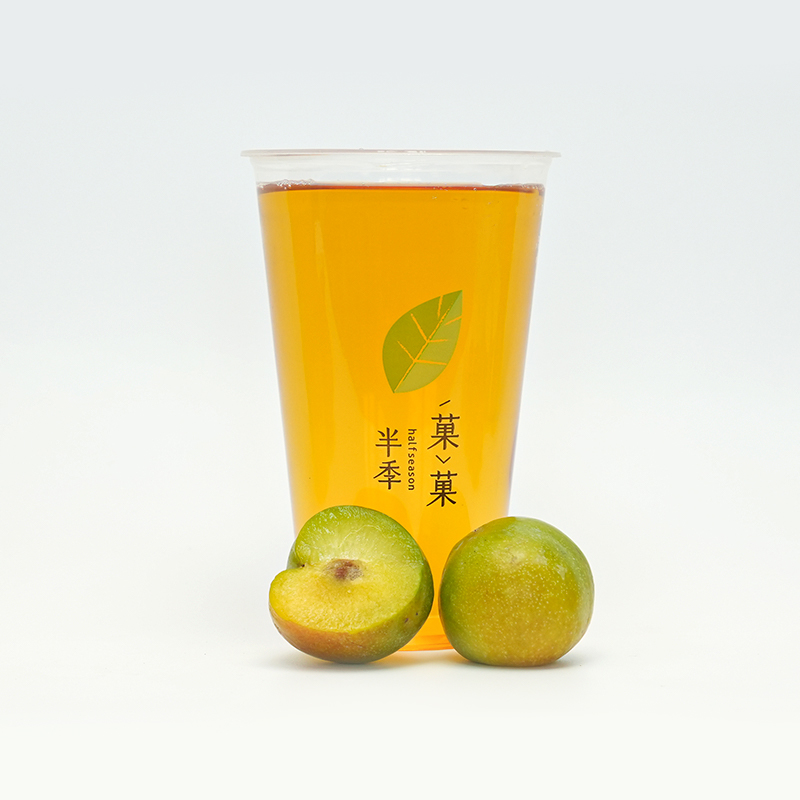 Cangkir Cetakan Injeksi PP untuk Minuman Panas dan Dingin PP food grade dapat bertahan hingga sekitar 95°C, sehingga dapat menangani kopi dan teh panas ketika PET tidak dapat digunakan, dengan dinding yang kaku dan tahan jatuh serta pilihan kaliber yang cocok untuk program minuman yang dapat dibawa pulang. Lihat Produk →
 | Properti | PET (jalur dingin) | PP (saluran panas) |
|---|---|---|
| Kejernihan visual | Sebening kaca, mengkilap | Transparan, sedikit kabur |
| Jangkauan layanan tipikal | 0–40°C | Hingga sekitar 90–100°C |
| Paling cocok untuk | Es kopi, minuman dingin, smoothie, jus | Kopi dan teh panas, minuman hangat |
| Proses pembentukan umum | Termoform dari lembaran PET | Cetakan injeksi, dinding lebih tebal |
| Nuansa dinding | Ringan, renyah | Kaku, kokoh |
Apa yang Dicakup "Kustom": Ukuran, Pelek, Tutup, dan Cetak
Kustom berarti lebih dari sekedar logo. Spesifikasi lengkapnya memiliki empat lapisan: ukuran cup, diameter pelek, jenis tutup, dan metode pencetakan. Putuskan mereka dalam urutan itu.
Cangkir dingin biasanya berukuran sekitar 8 ons hingga 32 ons. Diameter pelek berkumpul sekitar 90mm dan 95mm, dan angka tersebut secara diam-diam mengatur keseluruhan proyek: penutup hanya menyegel pelek yang serasi. Jika Anda berencana menggunakan tutup berbentuk kubah, tutup untuk minum langsung, atau tutup dengan slot sedotan datar, pastikan diameternya terlebih dahulu dan buat cangkir di sekelilingnya.
| Ukuran cangkir | Diameter atas yang khas | Penggunaan umum |
|---|---|---|
| 9 ons | 90mm | Pengambilan sampel, makanan penutup, smoothie kecil |
| 12 ons | 90mm | Minuman es kecil, espresso di atas es |
| 16 ons | 95mm | Es kopi dan teh susu standar |
| 24 ons | 95mm | Teh buah besar dan minuman dingin |
- 16 ons — 40%
- 24 ons — 30%
- 12 ons — 20%
- 9 ons — 10%
Pencetakan adalah tempat merek menjadi terlihat. Pencetakan offset tinta food grade menangani karya seni multi-warna dengan bungkus penuh, sedangkan sablon sesuai dengan tanda satu atau dua warna yang lebih sederhana. Dua aturan menghemat pencetakan ulang: menyediakan karya seni vektor dalam AI atau PDF dengan referensi Pantone, dan ingat bahwa area cetak menyusut seiring dengan tinggi cangkir — desain yang dibungkus dengan elegan pada cangkir 24 ons dapat dikompres dengan canggung pada cangkir 12 ons.
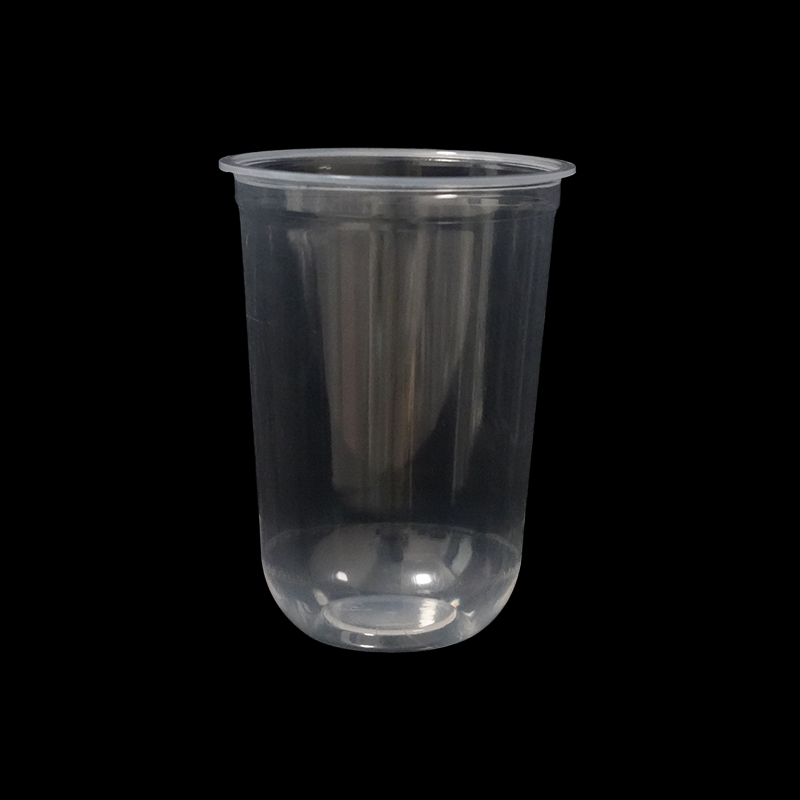 Gelas Minuman Plastik PET sekali pakai Setelah membahas aturan pencetakan dan karya seni, cangkir dingin PET bening ini layak ditinjau karena berbagai kapasitasnya, pencetakan logo khusus, penyimpanan yang dapat ditumpuk, dan kepatuhan keamanan tingkat makanan. Lihat Produk →
 Sebagian besar program menyelesaikan aksesori dengan cara yang sama: tutup anti bocor untuk pesanan pengiriman, PLA atau sedotan kertas yang dapat terbiodegradasi untuk eco line, dan tas bawa pulang yang serasi. Pengadaan cangkir, tutup, dan sedotan dari satu sistem produksi menjaga toleransi pelek dan warna tinta tetap konsisten di seluruh rangkaian.
Keamanan Pangan dan Sertifikasi untuk Diverifikasi Sebelum Anda Memesan
Kesimpulan pertama: pabrik mana pun yang Anda pilih harus dapat mengirimkan sertifikat kontak makanan terbaru melalui email dalam satu hari kerja. Keragu-raguan di sini adalah tanda bahaya yang tidak memerlukan biaya apa pun untuk ditindaklanjuti.
Gelas bening adalah kemasan yang bersentuhan dengan makanan, jadi resinnya harus berkualitas makanan dan gelas yang sudah jadi harus memenuhi batas migrasi di setiap pasar tempat Anda menjual. Dokumen yang layak diminta mencakup sertifikasi manajemen mutu ISO 9001, sertifikasi pengemasan BRC, sertifikasi keselamatan DIN Jerman, dan hasil pengujian RoHS UE; produsen di Tiongkok juga harus memiliki lisensi produksi industri nasional QS. Ini bukan logo dekoratif — ini menunjukkan proses terkendali mulai dari pengambilan resin hingga pemeriksaan barang jadi.
Bekerja sama dengan produsen yang memproduksi sendiri, bukan dengan pengecer, juga menyederhanakan penelusuran. Ketika pengecer atau regulator menanyakan dari mana cangkir resin tersebut berasal, pabrik yang memiliki lantai produksi sendiri dapat menjawabnya dalam hitungan jam. Untuk penjelasan lebih lengkap, berikut ikhtisarnya persyaratan keamanan pangan dalam industri gelas plastik menjelaskan bagaimana pabrik menjaga produksi tetap selaras dengan standar ini.
MOQ, Harga Unit, dan Waktu Pimpin: Cara Kerja Matematika
Perekonomian didorong oleh pengaturan, bukan resin. Pelat cetak, perubahan warna, dan pergantian mesin harganya sama baik untuk satu kali produksi 20.000 cangkir atau 200.000 cangkir, sehingga harga satuan turun tajam pada pita volume pertama dan mendatar setelahnya.
Pesanan cetakan khusus memiliki jumlah minimum yang lebih tinggi daripada cangkir stok karena biaya pelat dan pengaturan. Saat membandingkan harga, tanyakan apa saja yang disertakan — biaya pelat, sampel pra-produksi, pengemasan, dan pengiriman adalah empat item yang paling sering diberi harga berbeda. Tuas yang berguna adalah pembagian diameter: jika dua atau tiga ukuran cangkir berbagi pelek 95 mm, banyak pabrik akan membiarkan Anda mengumpulkan volume menuju MOQ sambil mempertahankan satu spesifikasi tutup.
Rencanakan waktu tunggu sekitar musim Anda. Sebelum puncak musim panas, pengambilan sampel dan produksi massal dapat memakan waktu beberapa minggu, jadi pastikan waktunya lebih awal. Pabrik yang menawarkan jadwal pengiriman fleksibel dapat membagi pesanan dalam jumlah besar menjadi pengiriman yang disesuaikan dengan pembukaan toko atau peluncuran menu. Dan sejujurnya, anggarkan biaya pengiriman: cangkir kosong bersarang dengan baik tetapi dikirimkan dalam jumlah besar, sehingga sering kali harganya ditentukan berdasarkan volume kargo, bukan berdasarkan beratnya.
Lima Kesalahan Pemesanan yang Membebani Uang Pembeli
- Mencocokkan resin dengan menu secara sembarangan. Gelas PET berisi minuman panas berubah bentuk di meja; Gelas PP yang dipilih untuk menu dingin yang digerakkan oleh tampilan kehilangan tampilan sebening kaca yang menjual minuman tersebut.
- Memesan cangkir dan tutup dari lembar spesifikasi yang berbeda. Ketidakcocokan pelek setengah milimeter tidak terlihat di atas kertas dan bocor di tas pengiriman. Selalu pasangkan tutup pada sampel produksi.
- Mengirim karya seni dari tangkapan layar. Logo beresolusi rendah dicetak dengan tepi lembut; file vektor dengan kode Pantone adalah satu-satunya masukan yang aman.
- Mengabaikan kondensasi. Minuman es mengeluarkan keringat di dinding luar, dan tinta serta permukaan akhir harus mampu menahan kelembapan agar minuman tetap awet.
- Melewatkan pemeriksaan pra-pengiriman. Tes jatuh sederhana pada tas pengiriman yang disegel, ditambah sekilas registrasi cetak, mendeteksi sebagian besar kegagalan sebelum pelanggan Anda melakukannya.
Pertanyaan yang Sering Diajukan
Bisakah cangkir PET bening menampung minuman panas?
Tidak. PET standar ditujukan untuk servis dingin dengan suhu sekitar 0–40°C; cairan panas melembutkan dan merusak dinding. Untuk minuman panas, tentukan cangkir PP dan tutup PP, yang dapat bertahan pada suhu sekitar 90–100°C.
MOQ apa yang harus saya harapkan untuk cangkir cetak khusus?
Ini bervariasi menurut ukuran dan warna cetak karena pengaturannya sangat minimum. Mintalah pabrik untuk mengutip biaya pelat secara terpisah — item baris tersebut biasanya hanya sekali pakai — dan tanyakan apakah beberapa ukuran yang memiliki diameter pelek yang sama dapat digabungkan untuk mencapai ambang batas.
Karya seni apa yang harus saya persiapkan untuk pencetakan khusus?
File vektor dalam format AI atau PDF dengan referensi warna Pantone, ditambah area cetak untuk setiap ukuran cup. Minta sampel praproduksi atau bukti foto sebelum produksi massal dimulai.
Apakah ada cara yang lebih ramah lingkungan untuk menjalankan program cangkir khusus?
Ya. PET dapat didaur ulang secara luas di sebagian besar wilayah, dan memadukan cangkir dengan PLA atau sedotan kertas yang dapat terurai secara hayati, ditambah PLA atau kantong kertas untuk dibawa pulang, memperluas kisah lingkungan di seluruh pesanan tanpa mengorbankan kejelasan di mana produk tersebut dijual.
Gelas plastik bening khusus memberi penghargaan kepada pembeli yang memperhatikan spesifikasi sama seriusnya dengan desainnya. Ikat resin ke suhu penyajian, perbaiki diameter pelek dan jenis tutup sebelum karya seni, tuliskan sertifikasi kontak makanan, dan biarkan volume menurunkan harga satuan.
Siap menentukan harga suatu program? Kirim ukuran cangkir Anda, perkiraan volume tahunan, dan file karya seni ke TOPCUP melalui mereka halaman kontak , dan meminta sampel praproduksi sebagai pencapaian pertama proyek.




